Unlock the Secrets of Effective Dog Training for a Happier and Mannerly Animal
Effective dog training pivots on a deep understanding of canine behavior. By recognizing how pets communicate, owners can better provide to their requirements. Consistency and positive support play crucial duties in promoting desirable routines. Many still battle with common errors that can prevent progress. As the journey of training unravels, exploring efficient approaches can expose the potential for a happier, well-adjusted pet dog. The next steps might surprise even one of the most experienced dog proprietors.
Understanding Your Dog's Habits
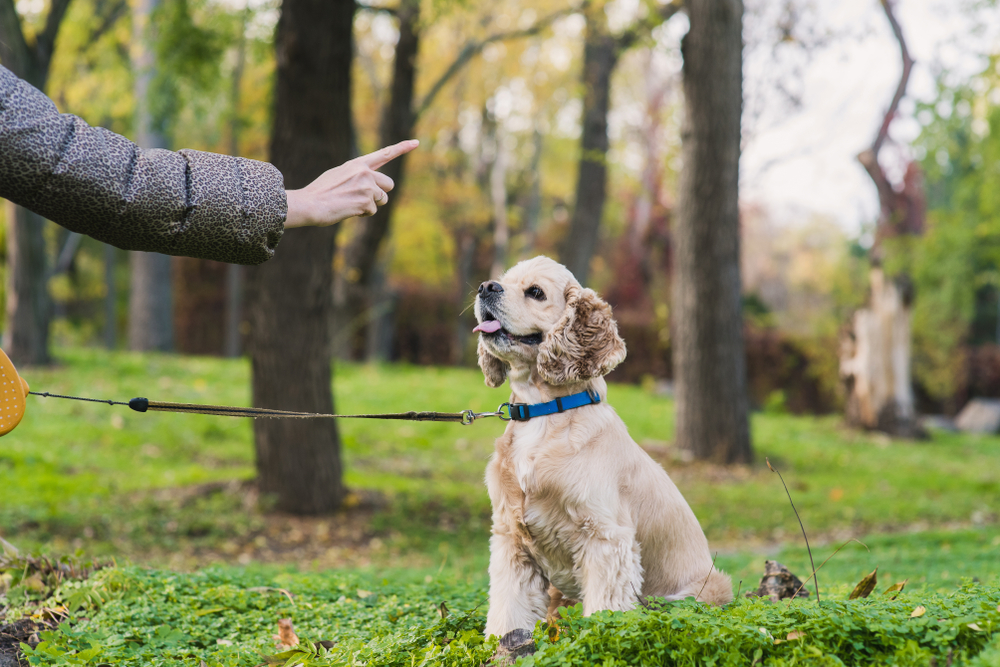
The Value of Consistency in Training
Consistency in training is necessary for cultivating a pet's understanding of assumptions and commands, as it creates a stable learning environment. Canines are much more likely to grasp what is being asked of them when proprietors use the exact same commands, hints, and benefits consistently. Irregular training can bring about complication, where pet dogs could not comprehend which habits are desired, resulting in stress for both the pet dog and the proprietor. Establishing a regular helps strengthen learning, permitting pet dogs to connect specific activities with their matching commands. In addition, constant support of regulations and limits assists cultivate excellent habits in time. Eventually, a commitment to uniformity not only boosts a canine's training experience but likewise strengthens the bond in between the pet dog and proprietor.
Positive Support Techniques
Favorable reinforcement strategies are necessary for efficient dog training, highlighting the importance of incentives and treats. Uniformity and timing play vital functions in reinforcing desired actions, making sure that pets make the link in between their actions and the favorable outcomes. By carrying out these techniques, instructors can cultivate a much more interesting and effective knowing atmosphere for their pet dogs.
Rewards and Treats
Effective dog training often depends upon the strategic usage of rewards and treats, which work as powerful incentives for canine actions. These motivations can substantially improve a pet's readiness to learn and abide with commands. When a canine successfully executes a preferred activity, instant benefits-- such as delicious deals with or passionate appreciation-- strengthen that actions. The type of incentive can vary, depending on the individual dog's preferences; some may respond better to food treats, while others may flourish on verbal affirmations or play. In addition, differing the incentives can keep a pet's passion and involvement throughout training sessions. By making use of incentives properly, instructors can create favorable organizations, bring about boosted obedience and a better, well-adjusted family pet.
Consistency and Timing
Successful dog training is not solely reliant on incentives and treats; it likewise depends on the consistency and timing of those reinforcements. Uniformity includes applying the exact same commands and responses throughout various training sessions, making certain that the dog recognizes expectations. Timing, on the other hand, is vital; rewards must be offered promptly after a preferred behavior to develop a clear link between the reward and the activity. Delayed reinforcement can puzzle dogs, leading them to link the benefit with an unrelated actions. By keeping regular hints and providing timely support, fitness instructors enhance the probability of desired actions being duplicated. This mix promotes a solid understanding, inevitably resulting in a pleased and well-behaved pet.
Typical Training Pitfalls to Stay Clear Of
Numerous dog proprietors unknowingly drop into typical training pitfalls that can prevent their development. One key mistake is incongruity in assumptions and commands, which puzzles the dog and hold-ups learning. Furthermore, numerous owners fall short to acknowledge the importance of rewarding great habits quickly, bring about misunderstandings regarding what activities are being strengthened. Over-reliance on punishment as opposed to favorable reinforcement can likewise develop fear and stress and anxiety, inevitably harming the bond in between pet and owner. An additional typical error is disregarding to educate in varied settings, limiting a canine's versatility. Ultimately, establishing impractical assumptions can lead to stress for both the dog and the proprietor. Recognition of these pitfalls is important for cultivating efficient training and a harmonious connection with the family pet.
Socializing: Secret to a Well-Adjusted Dog
Socialization is necessary for creating a well-adjusted dog, as it reveals them to numerous individuals, settings, and experiences. Early and regular socializing assists canines learn appropriate actions, lowering concern and stress and anxiety in strange scenarios. By engaging with different dogs, individuals, and stimulations, they end up being much more confident and versatile. Positive experiences throughout socialization can prevent future behavior problems, such as aggression or too much shyness. It is crucial for owners to create possibilities for their canines to engage with varied settings, whether via young puppy classes, dog parks, or structured playdates. A well-socialized dog is commonly a lot more unwinded and easier to educate, resulting in a better animal and a more unified relationship with their proprietor and the community.
Developing a Strong Bond Via Training
Developing a strong bond in between a canine and its proprietor is necessary for effective training and total companionship. This bond is constructed through consistent training sessions that utilize positive reinforcement techniques - Puppy Training Freeport Florida. When a proprietor awards desired behaviors with treats, appreciation, or play, the dog discovers to link training with favorable experiences. Additionally, spending high quality time together, such as participating in play or exterior activities, fosters trust and understanding. Routine training not just boosts communication however additionally helps the dog feel protected and valued. As the partnership strengthens, the dog comes to be more responsive to commands, bring about a well-behaved family pet. Inevitably, a strong bond results in a harmonious collaboration, Puppy Training Freeport Florida improving both the dog's and owner's lives
Frequently Asked Inquiries
The Length Of Time Should Training Sessions Last for Finest Outcomes?

What Age Is Suitable to Start Training My Pup?
The suitable age to start educating a young puppy is around eight weeks. At this phase, they are receptive to learning and socializing, which lays a strong structure completely habits and obedience throughout their lives.
Can Older Pets Discover New Commands Effectively?
Yes, older pet dogs can learn new commands properly. While they may need even more persistence and regular reinforcement, their capacity to react and recognize to training can be equally as solid as that of younger pet dogs.
Just how Do I Deal With Disturbances Throughout Training?
To take care of distractions throughout training, one need to select a silent environment, slowly present disturbances, utilize high-value rewards, and keep the dog's focus through constant signs and perseverance, guaranteeing a favorable learning experience for the animal.
What Devices Do I Required for Successful Dog Training?
Necessary tools for successful dog training include a sturdy leash, collar or harness, treat pouch, high-value treats, remote control, training mat, and toys. These things promote effective communication and positive reinforcement, ensuring a productive training experience.
While many dog proprietors might assume they comprehend their family pet's actions without effort, a deeper expedition exposes that pets connect through a complicated mix of body language, articulations, and social cues. Additionally, a dog's social interactions with various other canines and humans provide essential context about its behavior. It is important for proprietors to develop chances for their dogs to engage with varied settings, whether through puppy courses, dog parks, or structured playdates. When an owner rewards preferred habits with deals with, praise, or play, the dog discovers to associate training with positive experiences. Crucial tools for effective dog training consist of a tough leash, collar or harness, deal with bag, high-value treats, clicker, training mat, and playthings.